Optical Filters for Architectural Lighting
Optical filters in architectural lighting are used to shape the emitted spectrum so a fixture delivers the desired visual mood, material rendering, and intensity balance. They can help lighting designers refine color temperature, tune source character, and improve consistency across an installation.
Recommended Product Categories

Color Temperature Filters
Useful for shifting a source warmer or cooler without redesigning the entire luminaire.
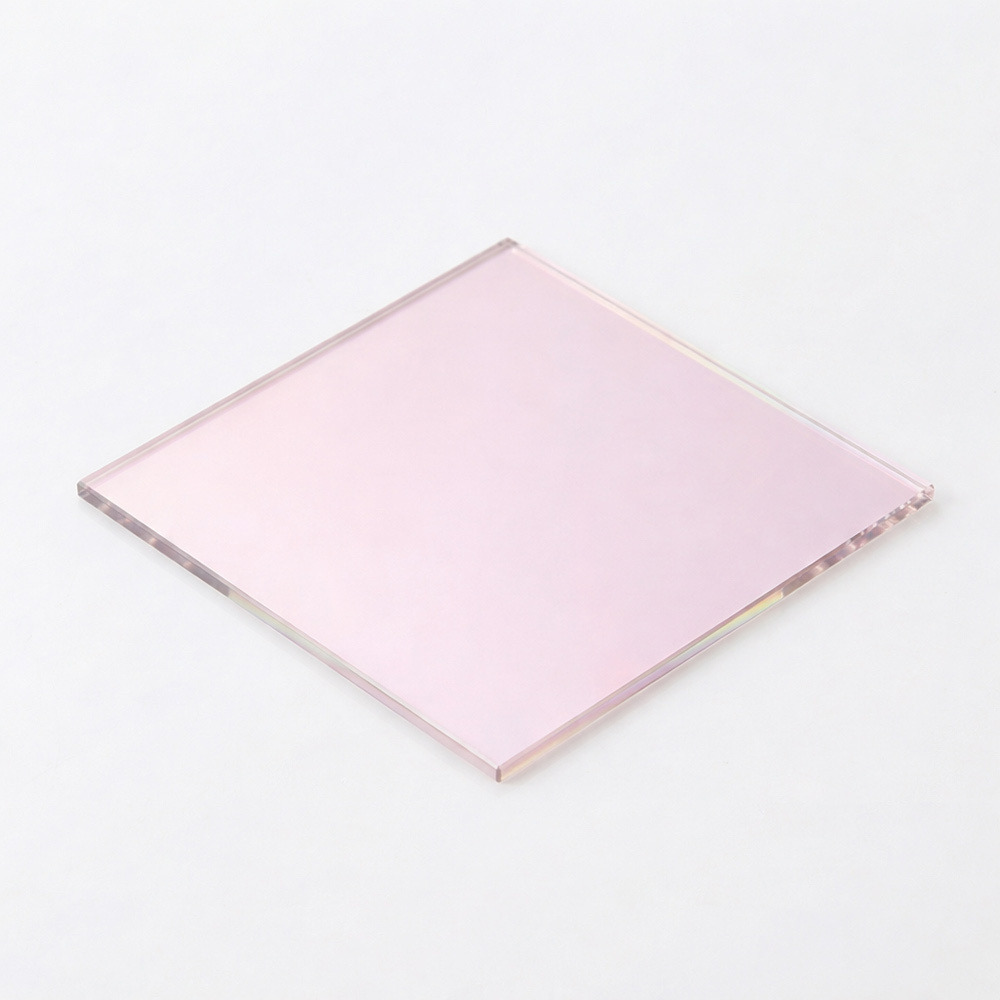
Spectral Correction Filters
Helpful for refining color balance and giving a fixture family a more intentional visual character.

Neutral Density Filters
Useful when output intensity must be trimmed without a large spectral shift.
Why Optical Filtering Matters in Architectural Lighting
Architectural projects are rarely judged by lumen output alone. The same room can feel calm, dramatic, warm, clinical, or premium depending on the spectral balance of the lighting. Surfaces, fabrics, skin tones, and finishes all respond differently to different spectra, so subtle optical adjustments can create a noticeable design effect. A strong optical design helps shape the fixture output without forcing a complete redesign of the source. Filters can be used to refine white point, compensate for source mismatch, or trim intensity in a more controlled way when simple dimming is not enough.
Color Tuning
Filters can push a source warmer or cooler to better fit the visual intent of the space.
Fixture Consistency
Spectral correction helps reduce visible mismatch across a large installation.
Intensity Shaping
Neutral density filtering can reduce output while preserving a more stable spectral balance.
How Filters Are Used in Architectural Lighting
Emission Path
In architectural lighting, the filter usually sits directly in the emitted beam and becomes part of the visible identity of the fixture rather than a hidden internal component.
Fixture Integration
Color temperature and spectral correction filters are often chosen to tune the source output toward a target ambience, material response, or installation-wide color balance.
Common filter types for architectural lighting
Color temperature filters are useful when the design calls for a warmer or cooler apparent white point without replacing the source itself. Spectral correction filters reshape specific portions of the spectrum to improve visual balance, material rendering, or brand-specific lighting character. Neutral density filters reduce output intensity with less spectral distortion than many simple brightness-control approaches.
Key Design Considerations
Define the Visual Goal First
The desired ambience, material rendering, and source character should guide filter choice rather than treating filtering as an afterthought.
Evaluate Thermal Exposure Early
Long operating hours and compact luminaires can make coating stability and material selection especially important.
Check Consistency Across Batches
In architectural work, repeatability matters because visual mismatch becomes obvious when many fixtures are used together.
Frequently Asked Questions
Can filters help unify fixtures from different source families?
Often yes, provided the starting spectra are reasonably close and the design is evaluated under real viewing conditions.
Should heat be considered before choosing an architectural filter?
Yes. Thermal stability is a practical design issue in long-running fixtures and can affect both appearance and service life.
Why use a filter instead of selecting a different lamp or LED?
Sometimes the source family is already fixed by the project, and filtering becomes a practical way to refine the final spectral result.
Can one filter formula suit every architectural space?
Usually no. Retail, hospitality, museum, and facade projects often have very different visual priorities.
