Optical Filters for Stage Lighting
Stage lighting systems are designed to shape color, beam character, and atmosphere with repeatable visual control. Optical filters help lighting designers adjust spectral output, manage unwanted spill, and keep fixtures visually consistent across different scenes, venues, and lamp or LED configurations.
Recommended Product Categories

Color Temperature Filters
Useful for shifting perceived beam warmth or coolness and balancing different fixture sources.
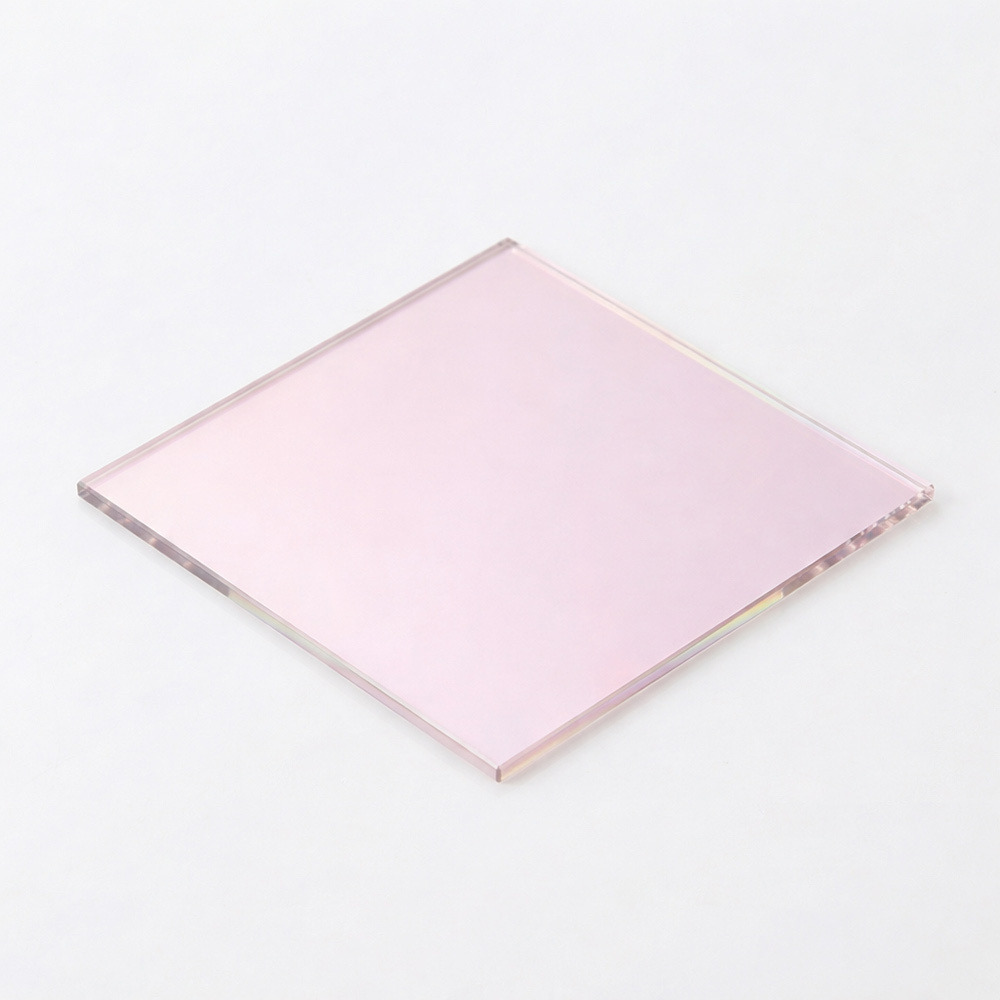
Spectral Correction Filters
Helpful when designers need finer spectral shaping than a simple warm or cool adjustment.

Black Aluminum Coatings
Support internal stray-light control in housings, baffles, and other fixture components.
Why Optical Filtering Matters in Stage Lighting
Stage lighting is not only about brightness. Designers care about how a beam feels on fabric, skin, scenery, haze, and reflective surfaces. Small spectral changes can shift the mood of a scene, alter how colors render on stage, or make different fixtures look mismatched even when their output levels are similar. Optical filters and coatings support creative intent while respecting engineering limits such as heat load, fixture geometry, transmission loss, and long-term durability. For lighting buyers, that makes optical design a practical tool for both artistic control and fixture consistency.
Mood Creation
Spectral shaping helps designers create warmer, cooler, or more dramatic visual scenes without changing the entire fixture system.
Fixture Consistency
Correction filters can make different sources appear more closely matched across a rig or between replacement fixtures.
Stray-Light Control
Black optical coatings reduce internal reflections that can soften beam definition or create unwanted spill.
How Filters Are Used in Stage Lighting Systems
Emitted Beam Path
Filters placed in the beam path shape the visible output seen by the audience or camera. Depending on the fixture type, this may be used for color correction, color temperature balancing, or broader spectral tuning.
Internal Fixture Path
Coatings and absorptive treatments inside the housing help suppress reflections from baffles, mounts, or other internal surfaces. This supports cleaner beam behavior and can improve contrast in tightly controlled lighting designs.
Common Filter Types for Stage Lighting
Color Temperature Filters shift the apparent warmth or coolness of the light source and are useful when balancing tungsten-like and daylight-like looks or compensating for source differences between fixtures. Spectral Correction Filters refine the output distribution of a light source. They are useful when the goal is not only a color shift, but a more controlled overall spectral profile for visual or camera-facing applications. Black Aluminum Coatings are applied to internal optical hardware to absorb stray light rather than reflect it. In stage fixtures, they can help support cleaner beam definition and lower internal veiling light.
Key Design Considerations
Start with Visual Result
The required optical treatment depends on whether the goal is mood creation, correction between fixtures, on-camera consistency, or stray-light suppression inside the luminaire.
Consider Heat and Longevity
Stage fixtures can run hot, especially in compact housings or high-output systems. Optical materials and coatings need to maintain performance under repeated thermal cycling and long run times.
Evaluate the Full Environment
A filter that looks right in a rehearsal room may behave differently on haze, costumes, LED walls, or cameras. Evaluating the optical design in the actual show environment helps avoid surprises.
Frequently Asked Questions
Why not rely only on LED color mixing for stage lighting?
LED mixing is powerful, but the native spectrum of the source still affects how colors render on surfaces and cameras. Optical filtering can refine the output or correct issues that are hard to solve by intensity control alone.
When are color temperature filters most useful in entertainment lighting?
They are useful when a production needs a warmer or cooler look, when different fixture families need to be balanced, or when a camera-facing setup requires more predictable visual consistency.
What do black optical coatings do inside a fixture?
They absorb unwanted internal reflections that would otherwise bounce around the housing. That can help maintain cleaner beam definition and reduce low-level stray light.
Is there a tradeoff between color accuracy and brightness?
Usually yes. Stronger spectral shaping often reduces total transmitted light, so designers have to balance the desired visual effect against brightness and power budget.
