Optical Filters for Sun Simulators
Sun simulators are used when a laboratory light source needs to approximate a reference solar spectrum under controlled conditions. Optical filters help shape the source output, reduce spectral mismatch, and support more meaningful testing for photovoltaic devices, materials evaluation, and calibration workflows.
Recommended Product Categories
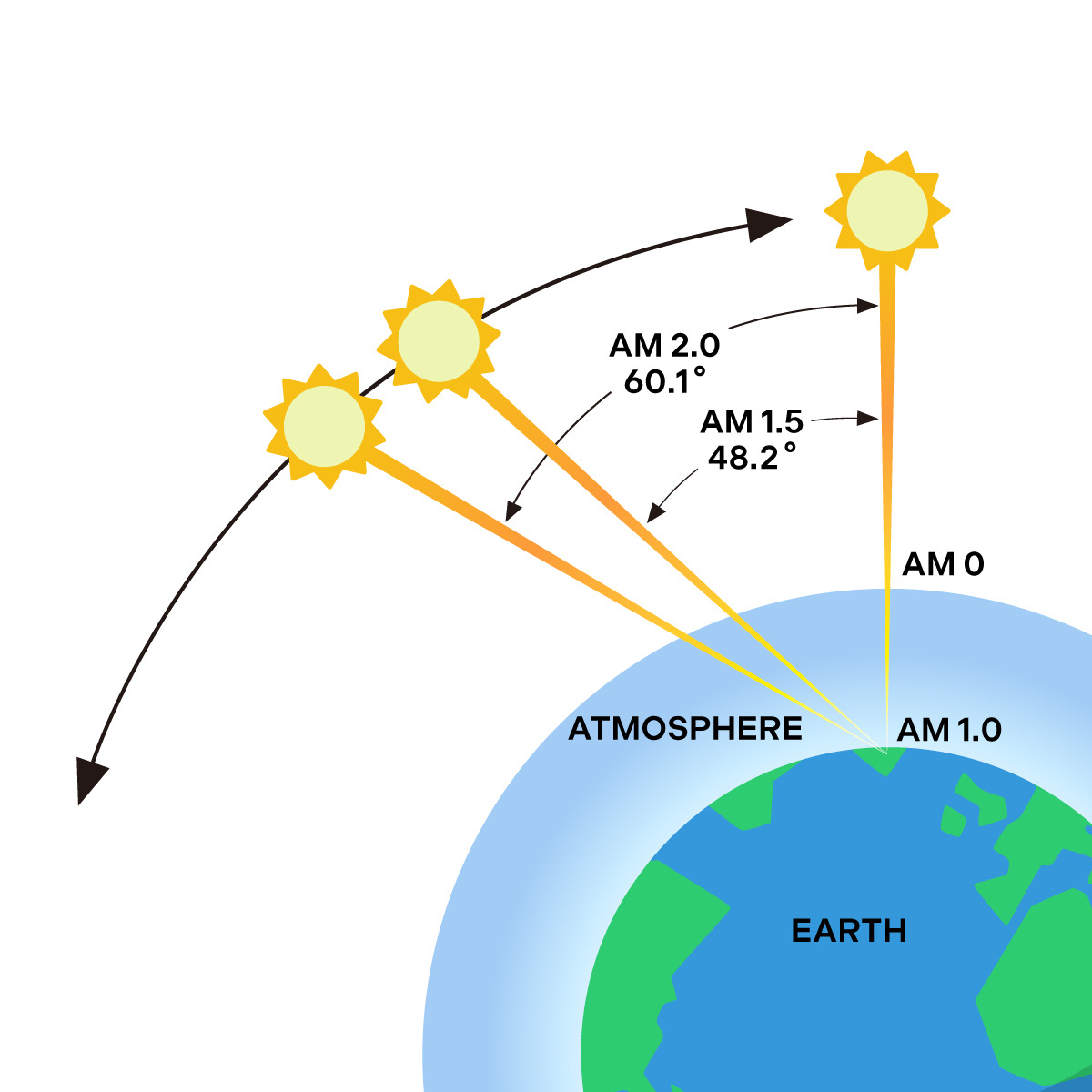
Air Mass Filters
Useful for shaping a simulator output toward a standard solar reference such as AM1.5.
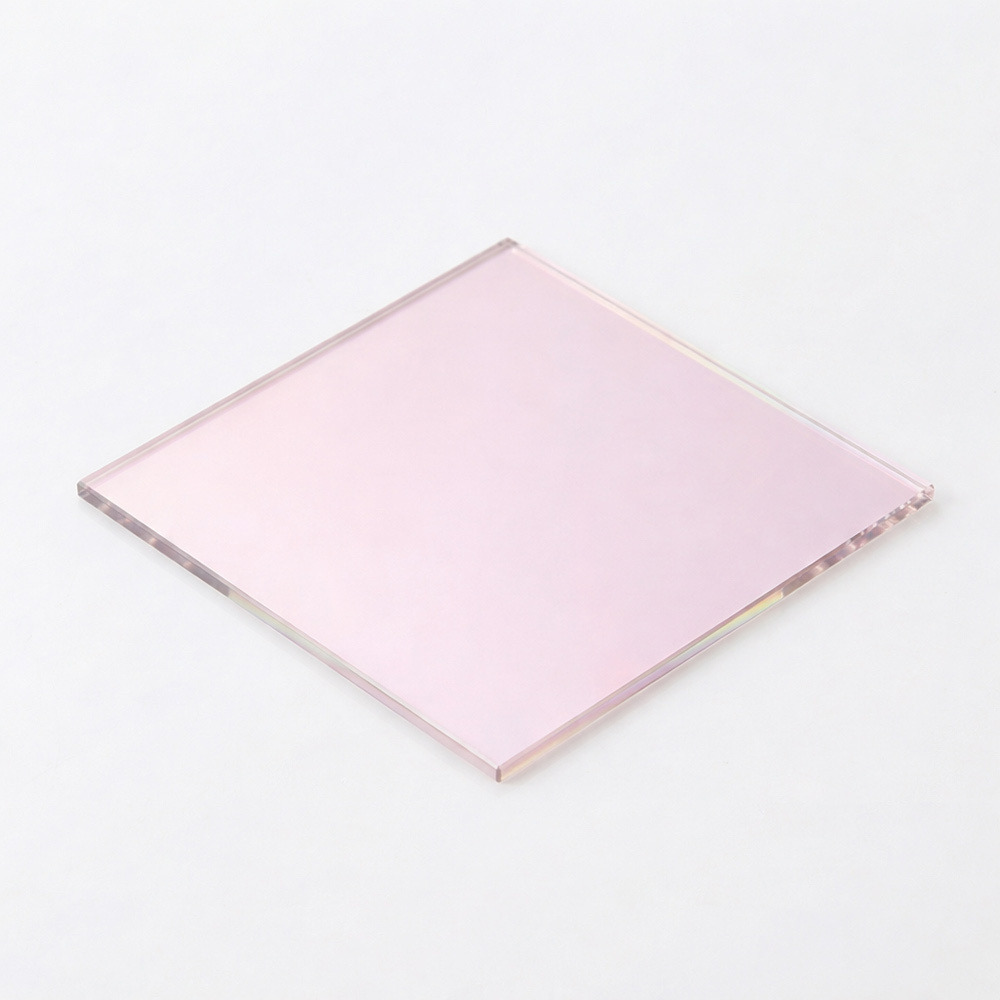
Spectral Correction Filters
Helpful for trimming source-specific excesses or deficits in selected wavelength regions.

Neutral Density Filters
Useful for irradiance adjustment and detector management without major spectral reshaping.
Why Optical Filtering Matters in Sun Simulators
The sun that reaches the ground is not the same as the raw output of a xenon lamp, metal halide source, LED array, or other laboratory source. Atmospheric absorption changes the solar spectrum, and standard test conditions such as AM1.5 are used so results can be compared more consistently across laboratories and products. In a sun simulator, filters are part of the spectral-matching strategy rather than optional accessories. Their job is to shape the source so the test condition is closer to the intended reference while maintaining usable intensity and repeatable calibration behavior.
Air-mass Conditions Change the Solar Spectrum
As sunlight passes through the atmosphere, gases and particulates absorb and scatter different wavelengths unevenly. Sun simulator filters help mimic this effect so the source more closely resembles the intended reference condition instead of the raw lamp output.
Correct Intensity Does Not Guarantee Correct Testing
Two sources can deliver the same total irradiance but have different spectral content. If the spectrum is wrong, photovoltaic devices or optical materials may respond differently than they would under the intended solar condition.
Repeatability Is Essential in Laboratory Comparison
A simulator is often used to compare samples, measure efficiency, or support qualification testing. Stable spectral filtering helps make those comparisons more meaningful over time and across different setups.
How Filters Are Used in Sun Simulator Systems
Source Shaping Path
Filters are placed in the output path of the simulator to reshape the source spectrum before it reaches the test plane. The goal is to compensate for source-specific peaks, gaps, or excess energy in selected wavelength regions.
Calibration Path
Once the simulator is assembled, the filtered output is measured against the intended reference condition. Additional optical adjustments may be needed to bring spectral distribution and irradiance uniformity into the required tolerance.
Common filter types for sun simulators
Air mass filters are used to approximate standard solar reference conditions such as AM1.5, compensating for the difference between the raw source and the solar spectrum after atmospheric transmission. Spectral correction filters fine-tune the output distribution when the source has excess or insufficient energy in specific wavelength regions, useful when the simulator needs better spectral matching than the base source can provide on its own. Neutral density filters reduce overall intensity without strongly changing spectral shape, useful during calibration, detector protection, or source balancing steps where irradiance must be adjusted more than spectrum.
Key Design Considerations
Choose the Reference Condition First
Filter selection depends on the target condition, such as the relevant air-mass standard and the needs of the device under test. The intended standard should drive the optical design, not the other way around.
Treat Spectral Mismatch as a Core Performance Issue
If the spectrum is poorly matched, measurement error can remain even when the source appears bright and stable. It is important to evaluate spectral fit, not only total irradiance.
Plan for Calibration Drift and Thermal Behavior
Lamp aging, LED drift, and heat can all change the output over time. A robust simulator design includes room for recalibration and considers how filters behave under operating temperature.
Frequently Asked Questions
What does AM1.5 mean in sun simulator work?
AM stands for air mass, which describes how far sunlight travels through the atmosphere relative to the shortest path when the sun is overhead. AM1.5 is a commonly used reference condition in photovoltaic testing because it represents a practical terrestrial solar spectrum.
Why is spectral matching important if the simulator is already bright enough?
Many devices respond differently to different wavelengths. A source can have the correct total intensity but still produce misleading results if its spectral distribution does not resemble the intended solar condition.
Do neutral density filters replace air-mass filters?
No. Neutral density filters mainly reduce intensity. Air-mass and correction filters are used when the spectral shape itself needs to be adjusted.
Can one filter set work for every solar simulator?
Usually not. The right optical stack depends on the source type, target standard, thermal conditions, and required measurement accuracy.
